
Demographic Shifts and Their Impact on Financial Markets
Global birth rates are declining faster than expected, with the UN projecting peak population around 2084. This demographic shift poses significant economic challenges, including workforce shortages and increased healthcare costs. The blog analyzes impacts on GDP growth, public finances, and sector-specific opportunities, offering insights for financial analysts on adapting to an aging global population.
The latest demographic projections from the United Nations indicate that the global population is likely to reach its peak earlier than previously anticipated and then start falling—possibly even shrinking and graying. This "baby bust" brings along many problems of an economic and social nature, which require urgent attention and adaptability by policymakers, businesses, and people.
The Reality of Declining Birth Rates
According to the latest UN data, birth rates have slowed dramatically worldwide and are not expected to rise any time soon. For instance, in China, birth rates have drastically fallen, with the TFR falling from 7.42 per 1,000 people in 2022 to 6.22 in 2024. Steep as the drop may be, it is part of a global trend: countries are seeing fewer babies being born as economic, social, and cultural factors change. Among the contributing factors are higher housing and childcare costs, changing social attitudes towards family size, and greater urbanization.
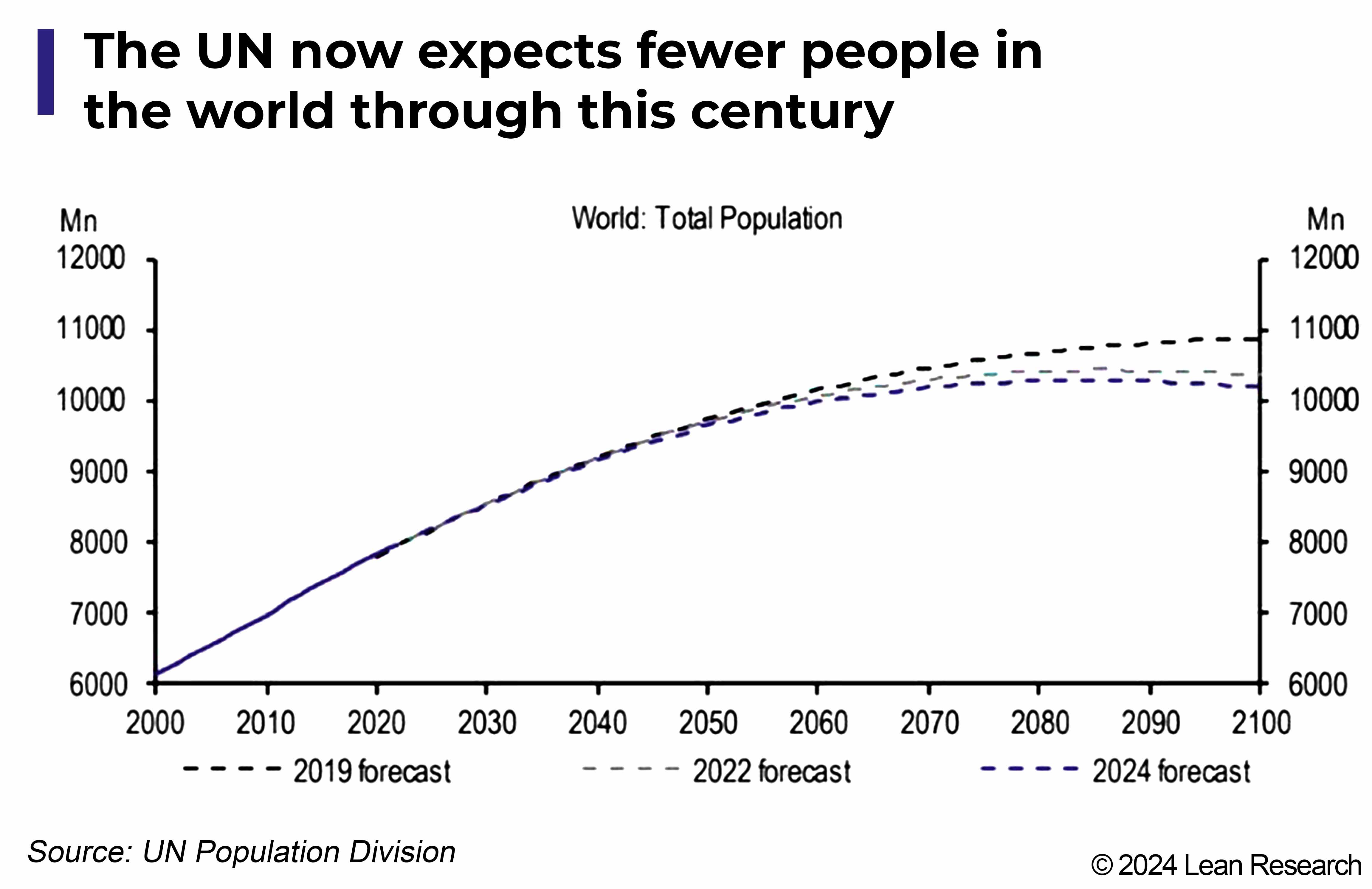
The latest UN projections bring forward the peak date to about 2084 from previous expectations of 2086. However, it would still be later than HSBC's own estimates under a low-fertility scenario, peaking as early as the 2040s. Again, this simply underscores how much uncertainty there is in demographic forecasting, given ongoing declines in birth rates.
The Economic Impact of an Aging Population
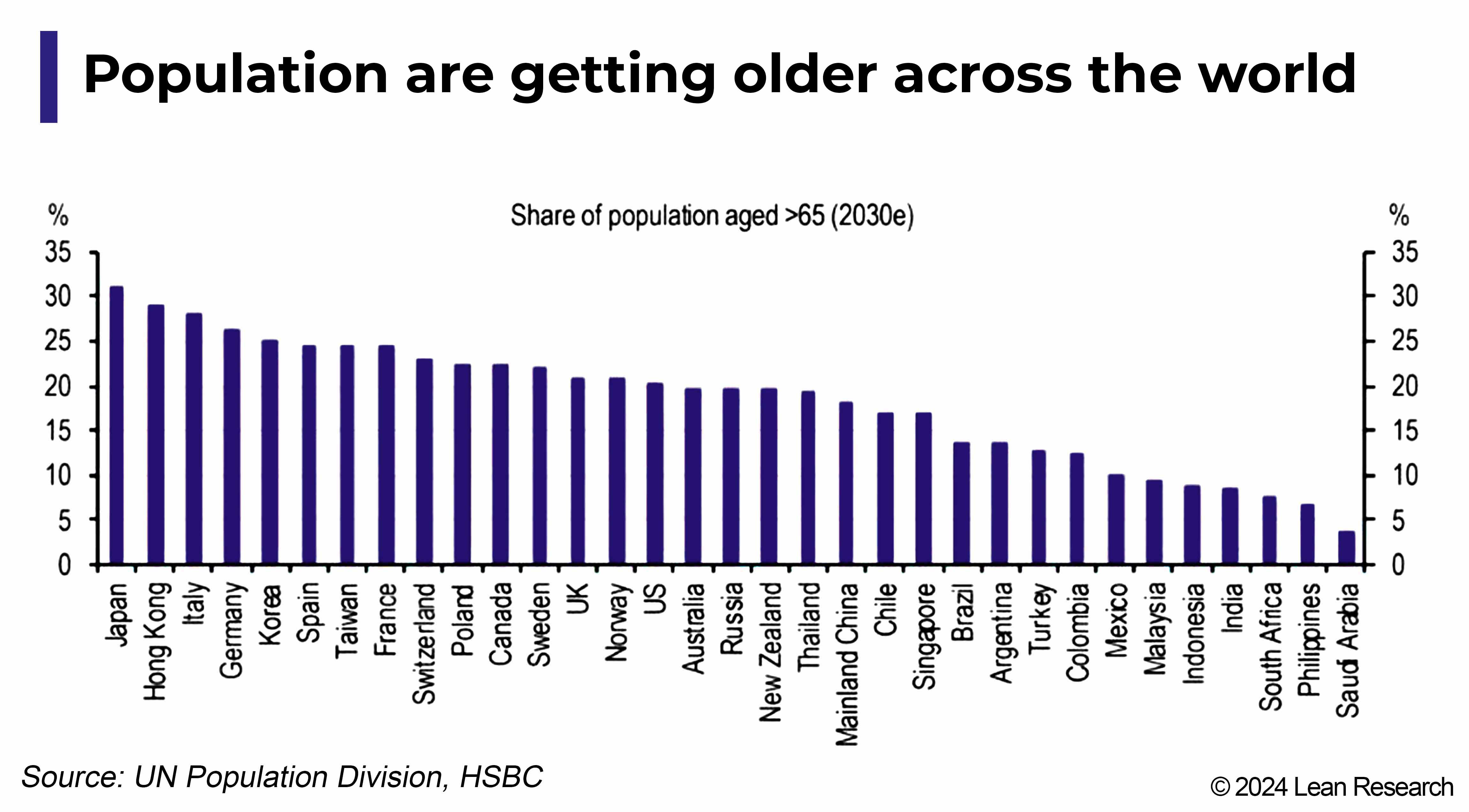
An aging population means serious economic implications related to the available workforce and fiscal sustainability. Low birth rates mean an increasing percentage of elderly people in a population, hence increasing its dependency ratio. This trend is common in advanced economies but is now rapidly becoming a critical issue for the emerging markets. The UN suggests that many of the world's crucial economies will have over 20% of their population aged 65 or older by 2030, and in Japan, this figure will top 35%.
This demographic change puts immense pressure on public finances by way of pensions, health, and social services. For example, in the UK, a patient of more than 70 years consumes almost three times as much healthcare as a patient of 35 years. That right there is an illustration of the emerging burden placed upon governments to underwrite the aging population at some cost in increased taxes, reduced benefits, or heightened national debt.
Implications for Global Growth and Policy
These demographic changes also hold serious implications for economic growth at the global level. A shrinking workforce can bring about lower productivity and slower economic growth in GDP terms. Indeed, in the low-fertility scenario of the UN, the numbers of people of traditional working age could actually start falling within the next 20 years—a trend which can accentuate economic challenges.
In response, therefore, governments may then need to institute policies that would maintain and raise birth levels, through incentivizing families financially, or increase immigration to offset the dwindling native-born population. Such policies, however, are still of questionable efficacy in the face of deeply entrenched socio-economic factors driving the trends at the moment. For example, even with the incentives, Japan has not been able to reverse the falling birth rate, which is rooted in resilient cultural and economic factors.
Additionally, one has to consider the role of migration. Net migration from developing countries to the industrialized world is expected to fall, either because of more restrictive immigration policies or due to weaker economic performance in the sending countries. However, immigration can be a significant avenue that could greatly reduce the deficiency of labor and, therefore, help in boosting economic growth in most industrialized regions.
Looking Forward: Adapting to a New Demographic Landscape
Demographic changes currently underway call for a readjustment of economic and social policies. For a business, understanding these trends is of essence in terms of strategic planning, more so in sectors like healthcare, real estate, and consumer goods. For example, demand for healthcare services and retirement planning products is likely to rise with an aging population. On the opposite end, the industries that are heavily dependent on younger demographics are likely to suffer a decline in demand.
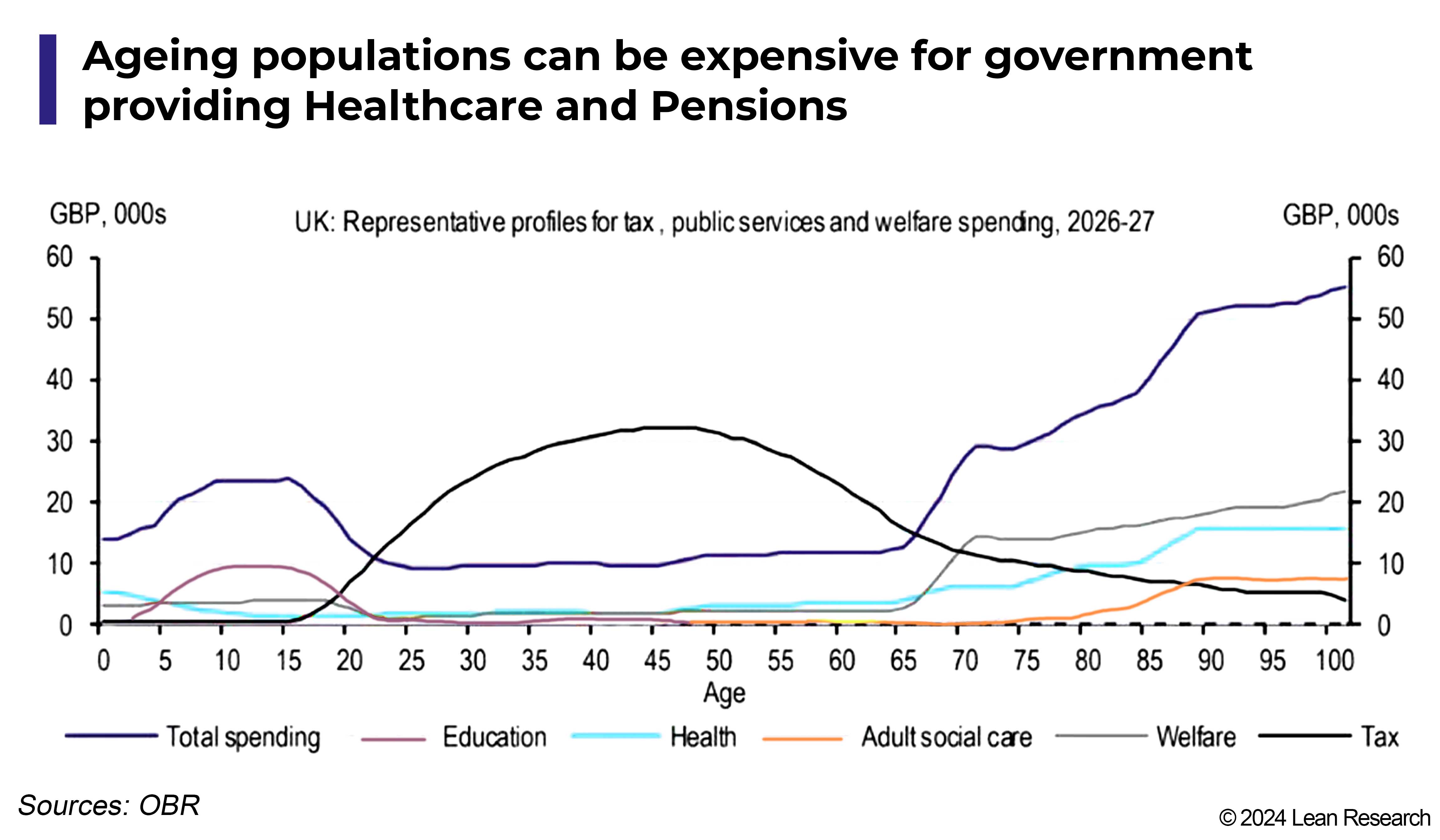
One big challenge for policymakers will be to reconcile the problems of an ageing population with sustainable economic policy, by seeking to strike a balance between mitigating the increasing pressure from health and pension costs, perhaps by reforming pensions, increasing retirement age, or encouraging private savings.
These demographic trends thus also reflect the increasing need for international cooperation and knowledge sharing. Countries facing similar challenges will learn from each other through their diverse experiences, particularly those related to healthcare reform and immigration policy.
Conclusion
Indeed, the "baby bust" and the subsequent aging of a population are extremely intricate issues and require comprehensive, proactive strategies. While much is unknown in the future, understanding and preparing for these demographic changes is crucial. Only by transforming the way governments, businesses, and individuals set out to respond to these changes will challenges be overcome and opportunities seized within the dynamically changing landscape of demographics.
Discover the Lean Advantage: Offshore Insight Onshore Impact
Lean Research enhances your investment strategy by delegating the detailed grunt work to our offshore analysts, freeing your onshore teams to focus on high-value tasks. With our dedicated full-time members embedded in your operations, we ensure that every piece of analysis not only meets but exceeds your standards. Experience the ease of expanding into new markets and asset classes while driving better investment returns, all in a cost-efficient manner. Lean Research is your partner in redefining asset management efficiency.